
English| EUR
Suggested for you
More currencies
Choose a language
Travelers moving between Bosnia's two major cities often ask whether Srebrenica Memorial Center lies on the route or requires a detour. The answer depends on which road you take and whether you prioritize speed or historical depth. This guide maps the geography, clarifies the routing trade-offs, and explains what each option costs in time.
Quick answer
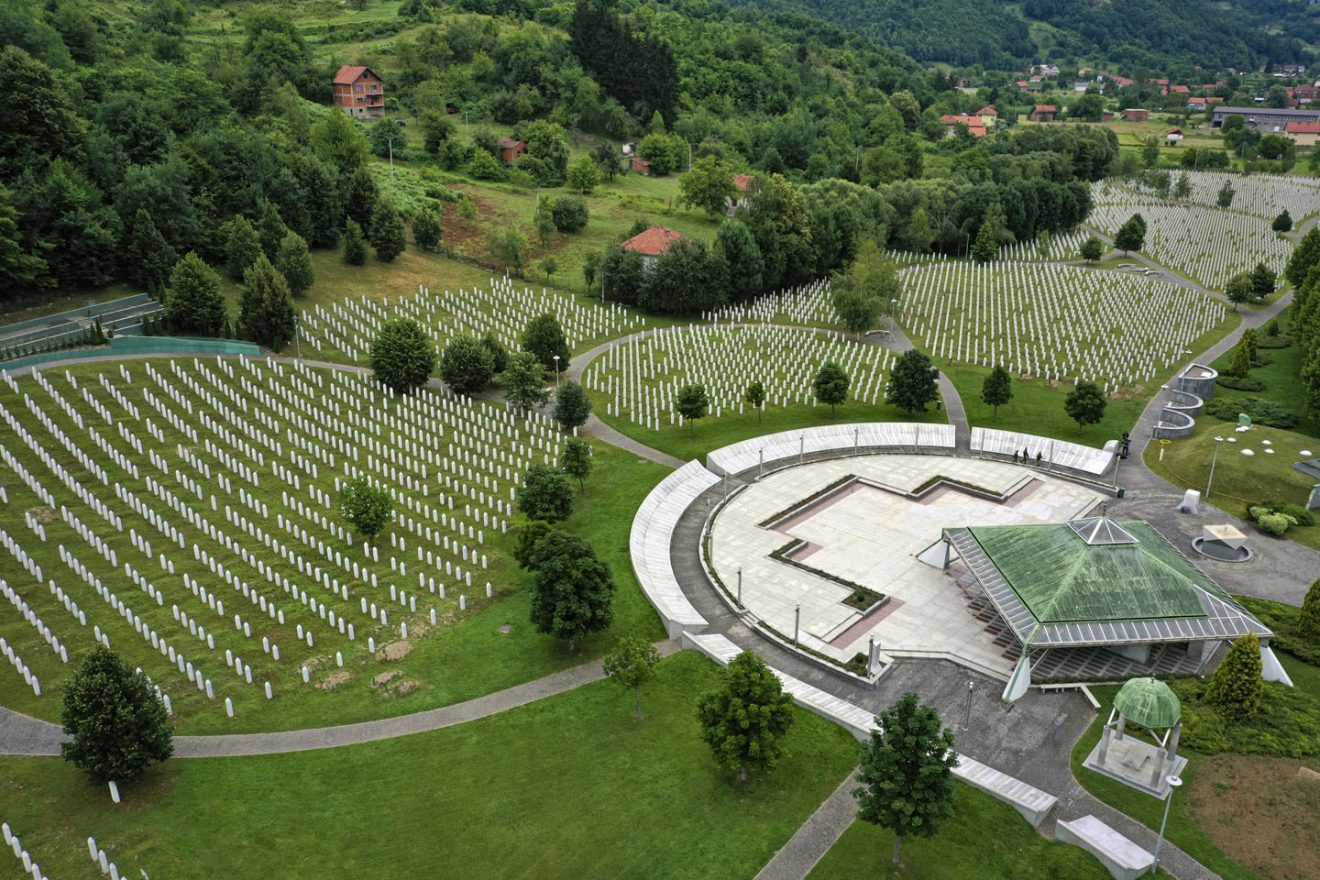
The direct distance between Mostar and Sarajevo is approximately 130 kilometers via the M17 highway, a drive that takes two to two and a half hours without stops. Srebrenica Memorial Center lies roughly 140 kilometers northeast of Sarajevo and 240 kilometers from Mostar, positioned off the main Mostar-Sarajevo corridor. Visiting the memorial requires routing through Sarajevo first or planning a separate eastward leg from the capital.
Srebrenica Memorial Center sits in the Drina Valley near the Serbian border, a geography that places it firmly outside the southwestern corridor connecting Mostar and Sarajevo. The two cities anchor opposite ends of the Federation of Bosnia and Herzegovina, linked by the M17 highway that threads through the Neretva River valley and climbs into central Bosnian highlands. That route never approaches Potočari, where the memorial stands. Travelers attempting a Mostar-Srebrenica-Sarajevo triangle face a logistical reality: the memorial lies east of Sarajevo, not between the two cities. The Sarajevo to Srebrenica leg alone spans 140 kilometers, much of it on two-lane regional roads that wind through Vlasenica and Bratunac. Road conditions vary seasonally, and winter travel in the Drina region demands tire chains and daylight hours. Summer offers the most reliable access, though afternoon thunderstorms in the highlands can reduce visibility on mountain passes. The distance between Mostar and Sarajevo makes a same-day visit to all three sites possible but demanding. Departing Mostar at dawn allows arrival in Srebrenica by mid-morning if routing through Sarajevo first, leaving enough daylight to reach the memorial during its 08:00–16:00 operating window and return to Sarajevo by evening. The alternative—Mostar to Srebrenica direct—adds five hours of driving through less-traveled eastern routes via Foča, a path that trades highway efficiency for remote mountain scenery and significantly longer travel time. Most visitors base themselves in Sarajevo and treat Srebrenica as a day trip, a routing that aligns with the memorial's location and the capital's accommodation infrastructure. The Potočari site opens daily from 08:00 to 16:00, with free entry, and lies just outside Srebrenica town at Potočari bb. Arriving before 14:00 ensures sufficient time to walk the cemetery rows, visit the exhibition hall, and reflect in the memorial room before the 16:00 closure. The return drive to Sarajevo takes two and a half hours under normal conditions, depositing visitors back in the capital by early evening.
“The memorial lies east of Sarajevo, not between the two cities, a geography that shapes every routing decision.”
The Srebrenica Memorial Center is located in Potočari, approximately 135 kilometers northeast of Sarajevo. While many travelers visit after spending time in Mostar, there is no direct public transit link between Mostar and Srebrenica, requiring a connection through Sarajevo.
M17 from Mostar to Sarajevo, then R454/R469 to Potočari
Bus from Mostar East Station to Sarajevo, then transfer to bus toward Srebrenica
Direct private transfer from Mostar to Srebrenica
Visitors traveling from Sarajevo should plan for a full day of transit. Parking is available on-site at the memorial complex in Potočari.
The Srebrenica Memorial Center is open to visitors daily throughout the week. The facility maintains consistent operating hours every day to accommodate those visiting the site.
The optimal time to visit the Srebrenica Memorial Center is during the morning hours, which provides adequate time for a thorough experience. Planning your arrival between 08:00–14:00 is essential to ensure you have sufficient time for the visit before closing.
Mild, 10°C to 20°C. Ideal for outdoor walking at the site.
Warm, 20°C to 30°C. Heavy visitor traffic during these months.
Cool, 10°C to 18°C. Comfortable conditions for visiting the memorial.
—
Arriving early minimizes wait times and allows for a quiet, reflective atmosphere.
Verdict: The best slot is Tuesday to Thursday between 08:00–14:00 during the months of April or October.
Prepare these essentials for a day trip from Sarajevo to the Srebrenica Memorial Center, accounting for the remote location and memorial nature of the visit.
Everything you need to know about distance between mostar and sarajevo
The distance between mostar and sarajevo is approximately 130 kilometers, typically taking about 2.5 hours by car or bus through the scenic Neretva valley. This route connects the capital with the historic southern hub of Bosnia and Herzegovina.
Traveling from Sarajevo to the Potočari memorial site involves a drive of roughly 2.5 to 3 hours heading east. Many visitors choose guided tours to navigate these regional roads efficiently.
While the distance between mostar and sarajevo is a common logistical question, the trip to Srebrenica requires heading in the opposite direction from Sarajevo. There is no direct public transit link between Mostar and Srebrenica without passing through the capital.
Entrance to the Srebrenica Memorial Center is 0 BAM. It is a place of solemn reflection, and there are no ticket tiers or admission charges for visitors.
Since the distance between mostar and sarajevo is significant, most visitors plan their Srebrenica visit as a separate day trip from Sarajevo rather than coming directly from the south. The memorial is located in Potočari, east of the capital city.
The best arrival window is 08:00–14:00 to ensure enough time to explore the cemetery and exhibition space. Arriving within this timeframe helps avoid late afternoon closures.
Yes, a Srebrenica day trip from Sarajevo is feasible, though it requires a full day of travel. Visitors often contrast this journey with the shorter distance between mostar and sarajevo to manage their expectations for regional logistics.